Not every dollar you spend on prep comes back.
The trap I see most often is not sellers doing too little. It is sellers doing too much of the wrong thing. New floors chosen for the buyer, a kitchen refresh a buyer will still redo, a bath tile job that never quite matches the era of the rest of the house.
The rule is simple. Do the free things first. Then the small budget things. Move up the tiers only when the return actually justifies it. Once you cross into a full remodel to sell, the math almost always turns against you.
Over improving quietly costs sellers more than under prepping.
The tiered budget.
Free wins, do all of these.
The things that cost you time, not money. There is almost no home where all of the tier one items are already done. Start here regardless of budget.
- Deep clean. Every surface, corner, and grout line. If a deep clean is not something you love doing, this is where the first outside dollar goes, not floors.
- Declutter and depersonalize. Family photos, papers, and anything on the counter that is not aesthetic. Roughly a third of what is out gets put away.
- Fix the invisible list. The sticky lock, the closet door off its track, the outlet that never worked, the toilet that runs.
- Curb clean up. Edge, weed, mow, and trim what is touching the house.
- Bulbs and shades. Replace dead bulbs with warm white matched throughout, open every shade and blind for showings and photos.
- Cabinet and drawer tune up. Every door and drawer closes and latches. Loose hardware tightened.
- Regrout and recaulk what is visible. Bath surrounds, kitchen backsplash, tub and sink perimeters.
Small budget, high leverage.
A few hundred to a couple thousand. Every one of these tends to pay back its own cost several times over in how the home reads.
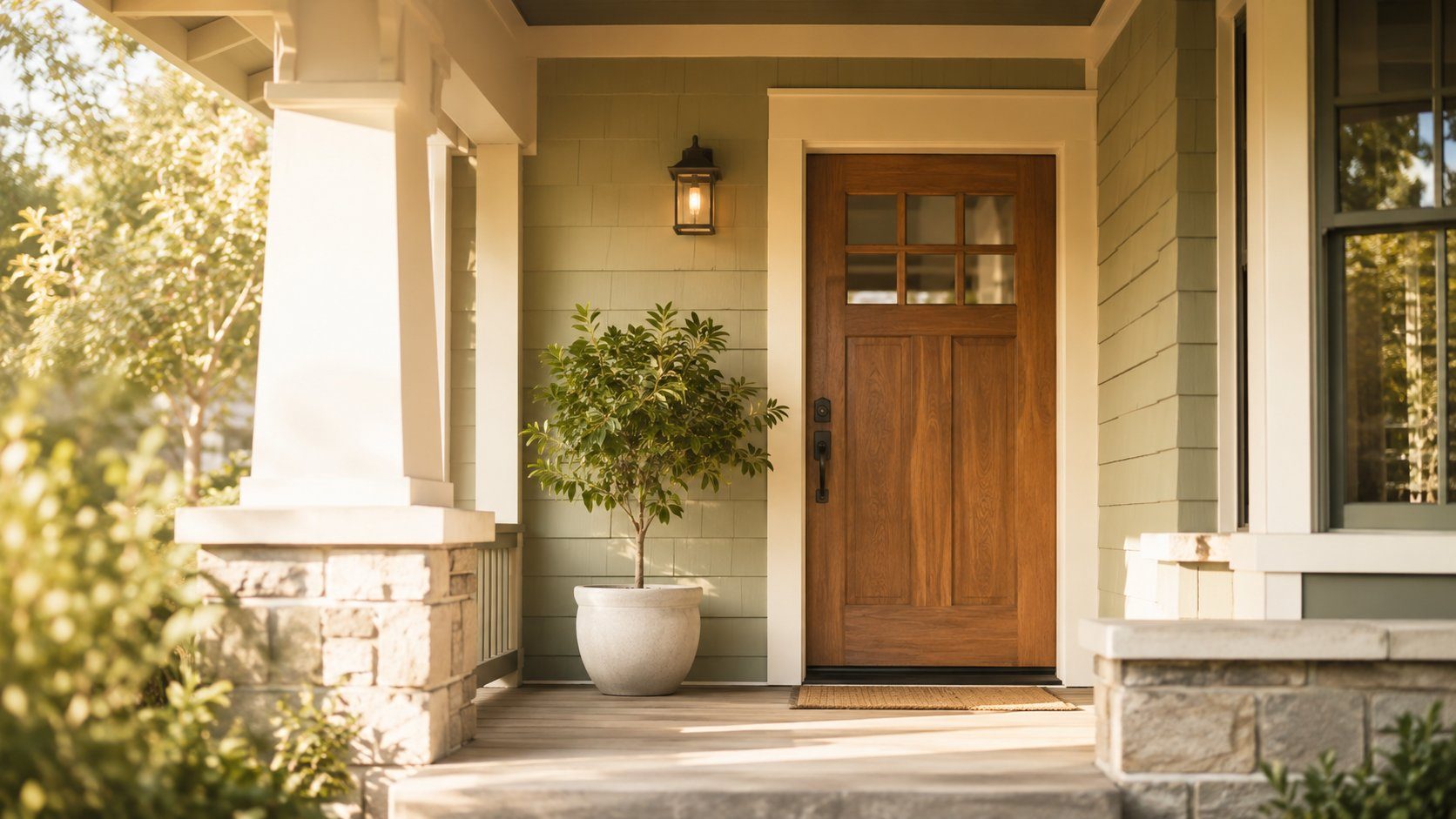
- Front door refresh. A fresh coat of a well chosen color, new handle set, new welcome mat. Sometimes new house numbers.
- Interior paint touch up and one big room repaint. If one room reads dated or bold, this is the place to spend on paint. Otherwise touch ups only.
- Cabinet hardware refresh. New pulls throughout the kitchen and primary bath. Cheap and disproportionate.
- Light fixture swaps for the two most dated fixtures. Usually the entry light and the dining chandelier.
- New mulch. One thin new layer of dark brown mulch across the front beds.
- Professional stager consult. One hour to reset your existing furniture. Not a full staging package, just the consult.
- Small landscape restoration. A dozen good potted plants at the entry, or one strategic replacement in the front beds.
- Radon test. If the home has a basement and no mitigation, test early so we know before we list.
Moderate budget, decide with care.
A few thousand to ten thousand. Real projects. Only worth it if the item is genuinely a drag on the home. Talk through each one on the walkthrough before you commit.
- Whole home interior repaint. Only if multiple rooms read dated or bold. If the home is already mostly neutral, skip this.
- New carpet in the primary bedroom and main traffic areas. If the existing carpet is stained or matted, this is often the highest return of the moderate tier.
- Cabinet paint on the kitchen. If the boxes are in good shape and just the color is dating the room. Combined with tier two hardware, this can reset a whole kitchen.
- Radon mitigation. If a test came back above the action level. Turns an inspection issue into a feature.
- Selective flooring repair or replacement. One damaged room, or transitions that are worn beyond touch up.
- Roof or HVAC service and documentation. Not replacement. A service, a tune up, and a paper trail that closes the question before a buyer opens it.
Big projects, usually skip.
Ten thousand and up. The trap tier. Full remodels rarely pay back what you put in, and often anchor the home in a taste choice a new buyer will just redo anyway. Rule of thumb, do these only if you were going to enjoy them yourself.
- Full kitchen or bath remodel. Rarely returns dollar for dollar. Almost never worth it purely to sell.
- New windows across the whole home. Unless multiple windows have failed seals. Selective replacement is fine.
- Roof replacement. Only if the roof is truly at end of life. Otherwise document its remaining life instead.
- Basement finish or partial finish. Do not start this to sell. A partial finish is worse than none.
- Additions, walls moved, or major layout changes. Almost never worth doing for a sale.
When you have already put too much in.
Sometimes a seller shows me a home where the last five years of upgrades have anchored a number in their head that the market will not support. New kitchen. New floors. New bath. And it all looks great, and none of it will come back at sale.
What I do in that case is not talk you out of the improvements you already love. I tell you honestly what returned and what did not, so you can set the number with your eyes open. Then we let condition and presentation do the rest of the work, so the home still tells its best story to the buyer who is right for it.
This is the single most important reason not to remodel to sell. You cannot undo the spend, and the market decides the return regardless of what you paid. Prep is different. Prep is the small end of the curve where every dollar quietly pays back.