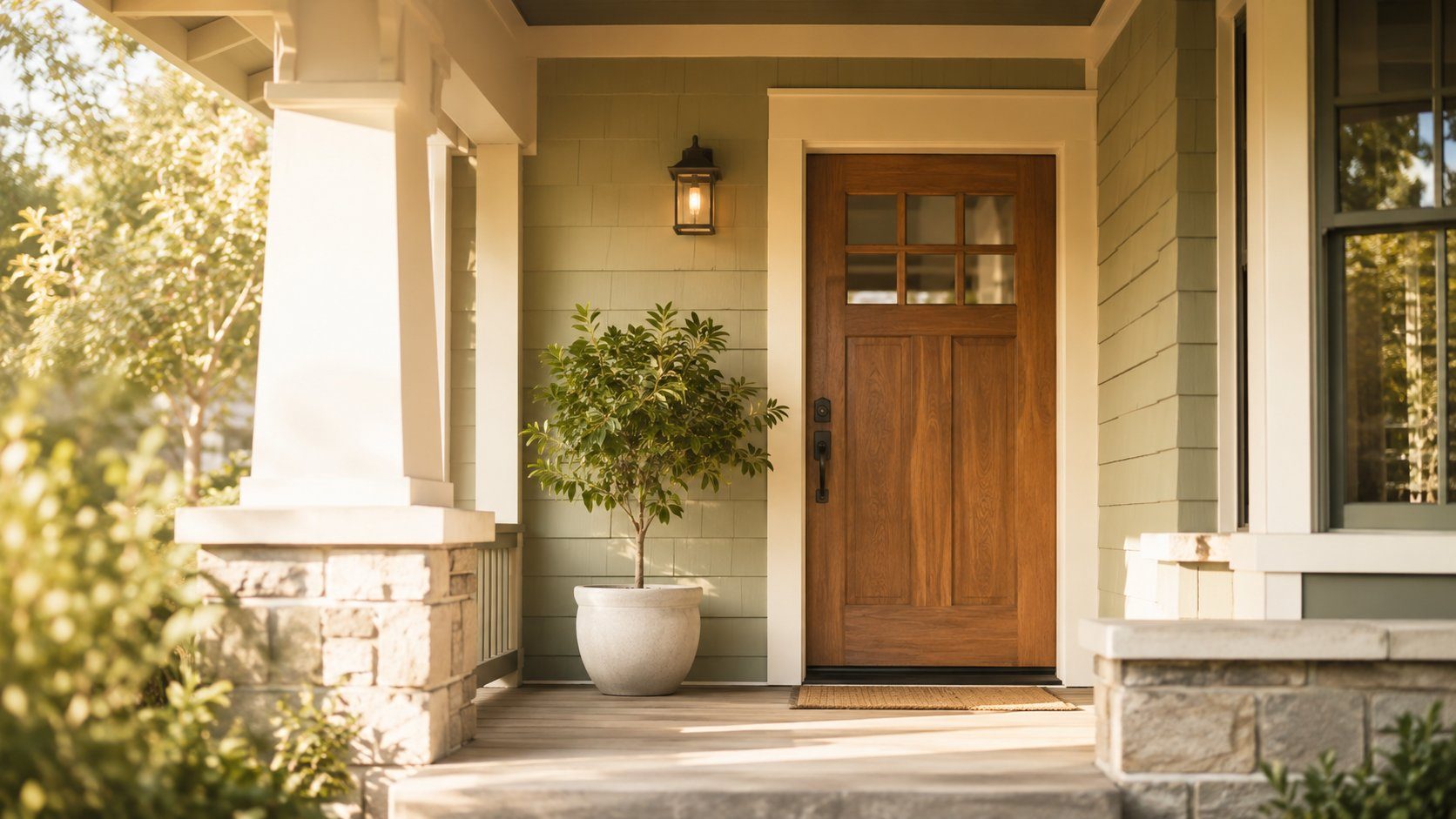
Listing photos decide showings. Showings decide offers.
A buyer scrolls Zillow on their phone during lunch. Nine out of the first twelve homes get dismissed in the first photo. Yours has to survive that first photo to get anywhere else. This is not vanity. This is how the funnel works.
The good news is that beating the field on photo day is not expensive. It is a series of small choices you can make with the furniture you already own, in the light you already have, on a morning we pick together.
The house does not need to be a magazine. It needs to make a stranger pause on the second photo.
Arrangement principles that photograph well.
Pull furniture off the walls
Most people push everything to the perimeter. In photos that reads flat. Even three or four inches away from a wall creates a much more intentional look and lets rooms breathe on camera.
Anchor with rugs, sized correctly
A rug should touch or go under the front feet of the sofa and chairs. Undersized rugs are the single most common staging mistake and they visually shrink rooms.
Two facing pieces, one accent
Two chairs across from a sofa reads more open and more editorial than a sectional and a chair. If you have both, borrow chairs from another room for the shoot.
Clear traffic paths
A camera picks up every awkward path. Rearrange until you can walk in a straight line from doorway to focal point in every room.
Beds are made with clean, neutral bedding
White or cream duvets photograph best. If yours is a busy pattern, borrow or buy a plain one for photo day. This one swap changes the whole primary bedroom.
Dining table set for two, not eight
A modest setting for two makes the room feel intimate. A fully set table for eight makes it feel cluttered. Same table, opposite result.
A one hour stager consult is often the highest return small dollar in the whole prep. They will rearrange what you already own and see what a homeowner cannot see. Ask me for a name, I have a shortlist.
Maximizing the light you have.
Light is the single most powerful visual asset a home has. It cannot be added, but it can absolutely be lost, and most sellers leave a third of it on the table by accident.
Every shade up, every blind horizontal or up. The default position is open. Not filtered. Open.
Windows clean, inside and out. Dirty windows dull an entire room on camera. Professional cleaning if the windows are large or high.
Every bulb the same color. Warm white throughout, 2700K to 3000K, matched across every fixture. Mixed color temperatures make a home look chaotic on photos even when it looks fine in person.
Dead bulbs replaced. All of them. A single dead bulb in a can light row is a small pothole in the whole photo.
Lamps on for photo day. Table lamps and floor lamps get turned on. Warm bulbs plus daylight creates the layered light photos need.
Ceiling fans off, chandeliers on. Motion blurs a shot. Chandelier bulbs should be lit and warm.
The morning of the shoot.
This is the most important two hour block in the entire prep timeline. What you do here will follow the listing for its entire life on the market and everywhere it gets shared afterward.
Cars out of the driveway and off the curb in front. This is the single biggest photo miss on most listings. Move both.
Trash cans out of sight. Behind the fence or in the garage. Same for recycling and green waste.
Kitchen and bath counters at three items or fewer. Anything that lives on the counter every day goes in a cabinet for the shoot.
Toilet lids closed. Everywhere.
Toys, pet bowls, and pet beds put away. Not artfully arranged. Away.
Bathroom mats, hand towels, and shower rods aligned. New neutral hand towels look great in every bath and cost fifteen dollars total.
Cords hidden. Every cord that can be tucked, taped, or run behind a piece of furniture gets that treatment.
Kids' art off the fridge and out of the frame. Same for family photos on the fridge.
Fresh flowers or citrus for the kitchen island. One aesthetic moment. A single low arrangement or a bowl of lemons.
I run a photo day checklist with every client the morning of. This list is what that checklist looks like. It is not fun but it is the highest leverage two hours in the whole listing.
Why the photographer matters.
Not every real estate photographer takes the same photo. The good ones understand light, wait for the right hour, use flash and ambient light together to keep windows readable, and shoot bracketed frames they blend in post so a room looks the way it looks in person, not the way a phone would capture it.
This is one of the parts of the listing that is my job, not yours. I hire the photographer, we schedule around the light, and the shot list gets built off the walkthrough. Your job is to make sure the house is ready when the shoot begins.