Before your home lists, I walk it the way an inspector will.
This is the part of my job that pays for itself, and the part most sellers never see coming. Before we take a photo, before we set a number, before we tell the world your home is available, I walk it slowly, on purpose, looking for what a buyer's inspector will look for two weeks from now.
I do not have a home inspection license. I do not need one for this. I have a construction and contracting background from before I moved into real estate, and I have walked enough listings and read enough inspection reports to know what shows up. What we are doing on the walkthrough is not a substitute for an inspection. It is a rehearsal for one, on your side of the table, before the buyer's copy of the report becomes leverage.
The point is to make sure nothing on the inspection report is a surprise.
Every unknown becomes a negotiation.
A home under contract has two big pressure points where a deal can slip. The appraisal and the inspection. Appraisal I handle through pricing. Inspection I handle through the walkthrough.
When a buyer's inspector finds something you knew nothing about, the buyer gets to write a repair request. Sometimes it is one small item. Sometimes it is a list, and the request feels like a second round of negotiating. Whatever leverage you had on price is gone. You either pay for the repair, credit for it, or lose the buyer.
When we already know what is there, we get to decide. Fix it, credit for it up front, price it in, or disclose it. Same items, entirely different position.
I did not invent this idea. Good listing agents have always done a version of this. What the construction background lets me do is see farther than most, and put the honest words on it before it costs you.
Room by room and system by system.
This is not a checklist app on my phone. It is a slower walk, in a particular order, that keeps the whole house on the table at once. Here is what the visit looks like.
-
Curb, roof, and the approach
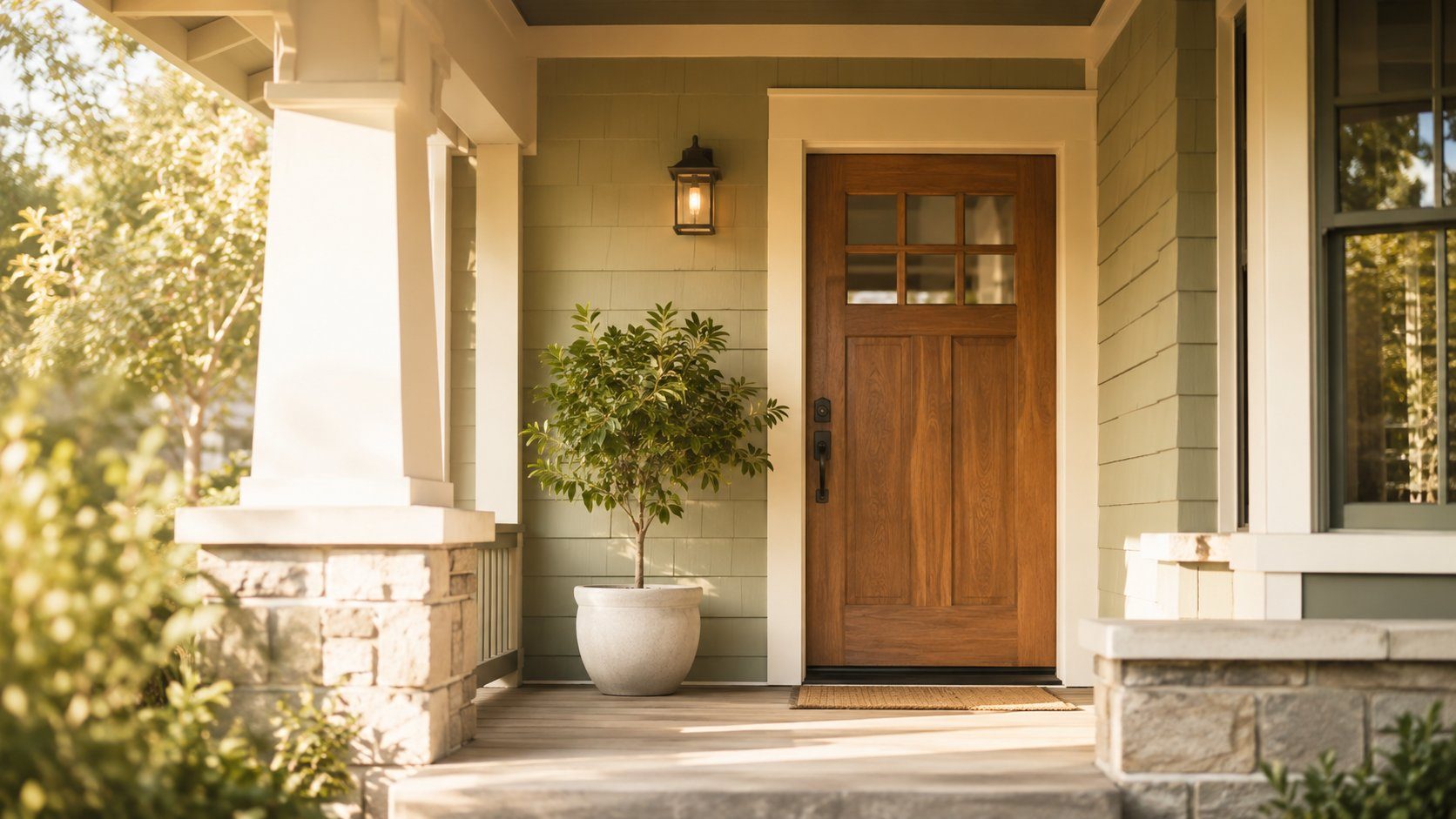
I start outside, at the sidewalk. What does a buyer see driving up. Roof condition and age from the ground. Fascia and soffits. Gutters and downspouts pointing away from the house. Paint and stucco condition, particularly on south facing walls that take the Utah sun year round. The lawn, the trees, the fence, and the front door itself.
-
Foundation, grading, and drainage
Walking the perimeter, I look at grade sloping away from the home, cracks in stucco and foundation, weep screed and drip edges, and how the ground behaves around the downspouts. Our clay soils move here, more than people from other places expect. Inspectors know it and buyers get nervous about it, so we get ahead of it.
-
Windows, seals, and exterior openings
Foggy panes, failed seals, cracked caulk. Weather stripping on doors. Screen condition. Basement window wells and covers. Any exterior penetration that looks like a place water could sit.
-
The entry, and the first three rooms
The doorway is the first inside impression, so I look at what a buyer sees in the first sixty seconds. Floor transitions, baseboards, wall condition, any smell that carries from the mudroom or laundry. This is also where we start noticing what needs paint touch up before photos.
-
Kitchen, cabinets, and the plumbing under the sink
I open every cabinet, especially under sinks. Slow drips, water staining on the cabinet floor, loose shutoff valves, corroded supply lines. Cabinet doors that swing or sag, drawer glides that stick, and the range hood duct if I can trace it. Small things here, but inspectors write them all up.
-
Bathrooms, tile, grout, caulk
Tile lines and grout. Caulk at the tub and shower. Running toilets, weak flushes, and toilets that rock at the base. Fan vent duct routing. Vanity plumbing. Anything that reads as neglect in the room where buyers are most sensitive to it.
-
HVAC, water heater, and the utility rooms
Furnace and AC age, filter condition, service tag when there is one. Water heater age, drip pan, expansion tank, temperature and pressure relief line. Softener and RO. Whether the room smells right. Whether combustion appliances have room to breathe.
-
Electrical panel and outlets in the wet areas
Panel condition. Double tapped breakers, unlabeled breakers, or panel brands that inspectors flag on sight. GFCI outlets in kitchens, bathrooms, garages, exterior, and unfinished spaces. Smoke and CO alarm placement.
-
Attic, crawlspace, and anywhere buyers assume no one has looked
Insulation coverage, staining on the underside of the roof deck, plumbing vents through the roof plane, visible framing repairs, any evidence of prior moisture. Crawlspaces get a real light and a slow scan, not a glance from the hatch.
-
Garage, exterior storage, and the mechanical side of the yard
Garage door balance, sensor alignment, seals along the bottom, the man door to the house, and fire rated drywall where it applies. Sprinkler shutoff, backflow, hose bibs, gas line to the grill, and anything the buyer will inherit and need to know how to operate.
-
The invisible list
The things a homeowner stops seeing because they live there. Sticky lock, cabinet door that never closes right, the outlet in the guest room that never worked, the toilet in the basement that runs on and off. This list is usually the longest, always the cheapest to fix, and quietly the most valuable to a buyer.
What the walkthrough is not.
It is not a home inspection
A licensed home inspector uses tools and standards I do not. Their report is theirs to write. My walk is a listing agent's read on what an inspector is likely to see, so you can plan for it. If a home needs a real inspection ahead of listing, I tell you and help you hire one.
It is not a shortcut to the number
Some agents will pull comps in the car and hand you a price before they set foot inside. I will not. The condition read is a required input to the CMA. If a comp closed at a certain number and your home reads differently, that has to show up in the price. Walk first, number second, always.
Book the walkthrough.
If you are one to twelve months out from listing, this is the visit that saves the most money. It costs nothing, it takes ninety minutes to two hours, and it is the honest read your prep plan should be built on.
You do not need to be tidy for the walkthrough. Half the point is I want to see the house the way it actually lives, not the version staged for photos. Bring a coffee. Show me the parts you have been meaning to get to. We make a plan from there.
Request a pre listing walkthrough
Open the request form →